

A winter power outage can turn a comfortable home into a cold, potentially unsafe place, especially when freezing temperatures last for several hours or days.
Without electricity, many household heating systems stop working. Even gas furnaces may need electricity to operate their fans and controls. As indoor temperatures fall, families must conserve warmth, protect vulnerable household members, and prevent damage to their homes.
Fortunately, several simple preparations can make a meaningful difference. You don’t necessarily need an expensive backup heating system to improve your home’s resilience.
This guide explains how to keep your home warmer during a winter power outage, use alternative heating safely, protect water pipes, and recognize when it’s no longer safe to stay home.
1. Why Winter Power Outages Can Be Dangerous
Winter storms can interrupt electricity supplies when heavy snow, ice, or strong winds damage power lines and equipment.
A power outage during mild weather may be inconvenient. During freezing conditions, however, losing electricity can create additional problems:
- Indoor temperatures may fall to unsafe levels.
- Children, older adults, and people with certain medical conditions may be more vulnerable to cold exposure.
- Water pipes may freeze and burst.
- Refrigerators, freezers, and electrically powered medical equipment may stop functioning.
- Improper use of generators or alternative heaters can cause fires or carbon monoxide poisoning.
How quickly a home becomes cold depends on outdoor temperatures, insulation, air leakage, wind exposure, and the building’s thermal characteristics.
A well-insulated home may retain heat longer than a poorly insulated one, but you shouldn’t assume any home is safe indefinitely without heating.
The goal is to slow heat loss, stay warm, and have a plan to relocate if conditions become dangerous.
2. Keep Warm Air Inside Your Home
One of the most effective steps during a winter outage is reducing unnecessary heat loss.
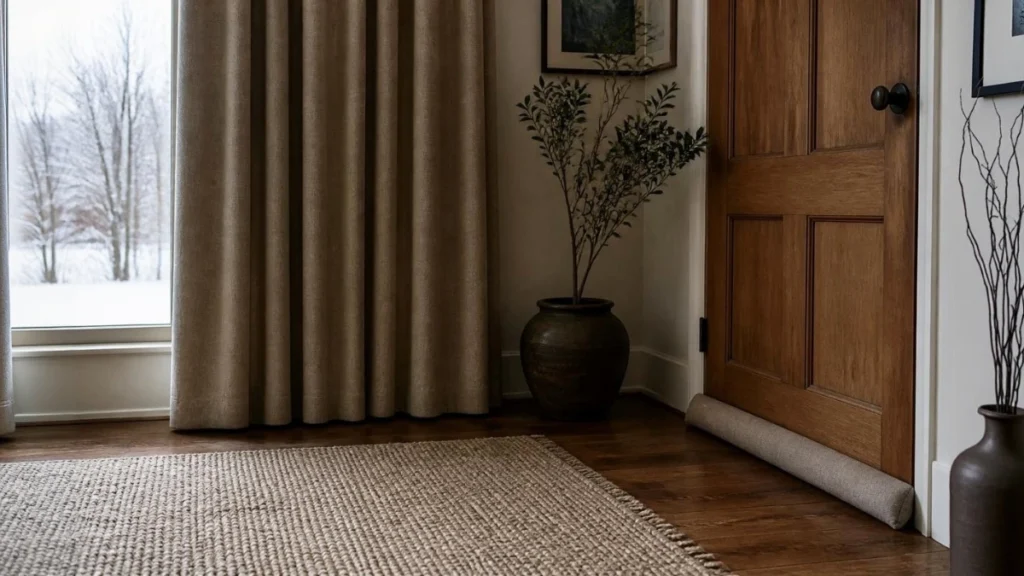
Close off unused rooms
If your heating system has stopped working, consider concentrating household activities in one suitable room.
Close doors to unused rooms. Choose a space with relatively few exterior windows, enough room for everyone, and safe access to exits.
Avoid blocking necessary ventilation or fire escape routes.
Use curtains and window coverings
Windows can allow significant heat loss, particularly in older homes.
During daylight hours, open curtains on sunny windows to take advantage of natural warmth. Close them as the sun sets to reduce heat loss.
Thick curtains, insulated blinds, and properly installed temporary window coverings may help reduce drafts and improve comfort.
Reduce drafts around doors and windows
Cold air can enter through gaps around exterior doors and windows.
Before winter, inspect weatherstripping and repair obvious air leaks.
During an outage, a rolled towel or draft stopper at the bottom of a drafty door may provide temporary relief.
Never block ventilation openings, combustion-air supplies, or emergency exits.
Keep exterior doors closed
Frequent opening of exterior doors allows warm indoor air to escape.
Keep unnecessary trips outside to a minimum, and gather frequently used supplies in your main living area.
These measures won’t generate heat, but they can help conserve the warmth already inside your home.
A cold house is only half the problem in a winter outage, so before the heating fails, work through these steps to prevent frozen pipes while the water is still running.
3. Create a Warm Living and Sleeping Area
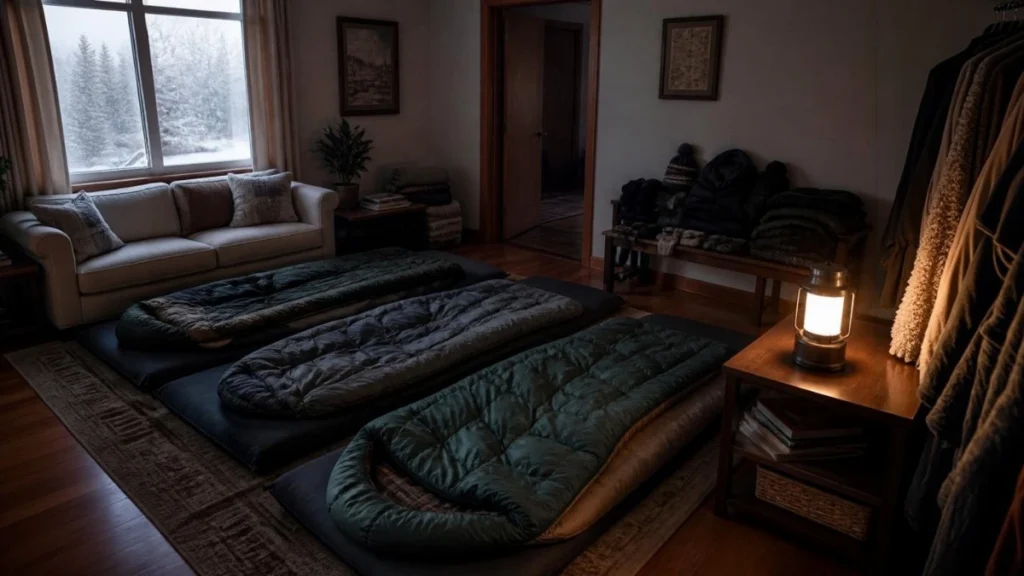
When you can’t heat the entire house, setting up a comfortable area for household members can help reduce cold exposure.
Choose a room that is relatively sheltered from drafts and has adequate space for everyone.
Bring together blankets, sleeping bags, warm clothing, drinking water, flashlights, and necessary medications.
Use rugs or insulated sleeping mats to reduce contact with cold floors.
Keep bedding dry and avoid placing mattresses directly against very cold or damp exterior walls.
For sleeping, use layered bedding appropriate to each person’s age and needs. Keep infants in a safe sleep environment rather than surrounding them with loose blankets.
A smaller living area may be easier to manage, but it does not eliminate the need to monitor indoor temperatures.
Important: Never use a tightly enclosed tent, plastic sheeting, or similar makeshift structure around a fuel-burning heater. Keep exits accessible and follow all heater clearance and ventilation requirements.
4. Dress in Layers to Retain Body Heat
Keeping people warm is just as important as conserving heat inside the building.
Wear several comfortable layers rather than relying on one heavy garment.
A practical clothing arrangement includes:
- A moisture-managing base layer.
- A warm middle layer, such as fleece or wool.
- An additional insulating layer when needed.
- Warm socks, slippers, and a hat.
Change wet clothing promptly.
Blankets and sleeping bags provide additional insulation while resting. Avoid becoming sweaty through excessive activity or overdressing, because damp clothing can increase heat loss.
Check on children, older adults, and anyone who may have difficulty recognizing or communicating that they are becoming too cold regularly.
5. Use Alternative Heating Sources Safely
Alternative heating can be useful during a winter outage, but it also introduces serious safety risks.
The safest choice depends on the heating equipment, its installation, ventilation requirements, and the manufacturer’s instructions.
Wood-burning fireplaces and stoves
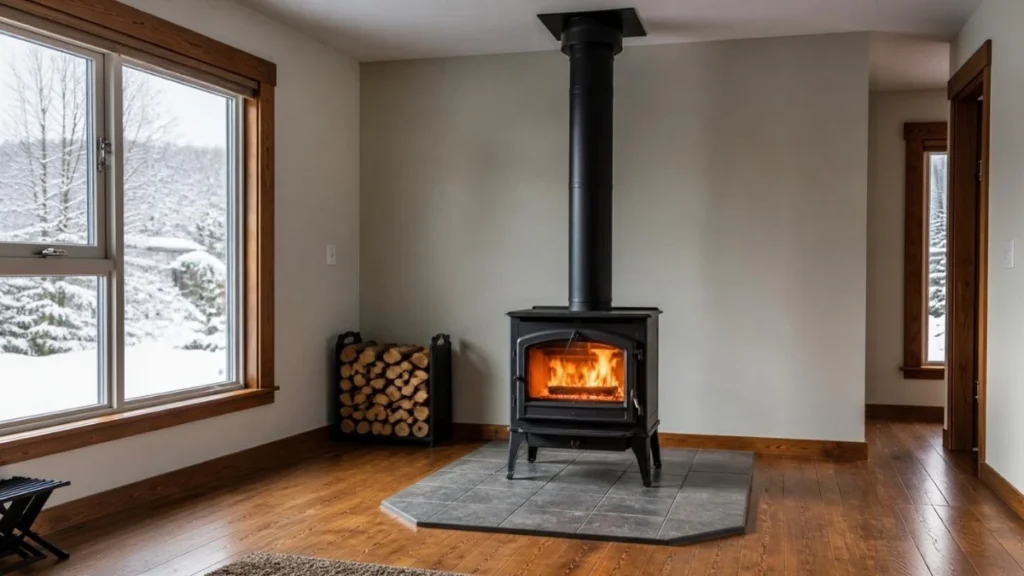
A properly installed and maintained wood-burning stove or fireplace may provide useful backup heat.
Before winter:
- Have the chimney and flue inspected and cleaned as appropriate.
- Keep an adequate supply of dry, suitable firewood.
- Check smoke and carbon monoxide alarms.
- Keep combustible materials away from the heating appliance.
Never operate a fireplace or stove with a blocked chimney or damaged flue.
Gas fireplaces and heaters
Some gas fireplaces can operate without household electricity, while others depend on electric ignition, fans, or controls.
Check your appliance’s specifications before an emergency.
Use only heating equipment approved for its intended indoor application, and follow its ventilation requirements.
Do not assume that a portable propane heater is safe for indoor use simply because it produces heat efficiently.
Electric space heaters
Electric space heaters generally require electricity and will not work during an ordinary power outage unless a suitable backup power source is available.
When electricity is available, use heaters with appropriate safety features. Keep them at least three feet from combustible materials and plug them directly into a suitable wall outlet, rather than a power strip or extension cord.
Heating methods you must never use
Never attempt to heat your home with:
- A gas oven or cooking range.
- A charcoal grill or barbecue.
- An outdoor camping stove.
- A generator operating indoors or in a garage.
- An outdoor propane heater not approved for indoor use.
These devices can produce dangerous carbon monoxide, even when there is no noticeable smell.
Install functioning battery-operated or battery-backup carbon monoxide alarms and smoke alarms.
The CDC recommends operating portable generators outdoors, at least 20 feet away from doors, windows, and vents, with exhaust directed away from the home.
6. Protect Water Pipes From Freezing
When indoor temperatures drop, exposed plumbing becomes vulnerable to freezing.
Frozen pipes can interrupt water supplies and may burst, causing significant property damage.
Insulate vulnerable pipes before winter
Pay particular attention to pipes located in:
- Unheated basements.
- Crawl spaces.
- Garages.
- Exterior walls.
- Other areas exposed to freezing temperatures.
Suitable pipe insulation and weatherproofing can reduce the risk of freezing.
Open cabinet doors when appropriate
Pipes beneath kitchen and bathroom sinks may benefit from warmer indoor air circulating around them.
Open cabinet doors where appropriate, keeping cleaning chemicals and other hazards away from children and pets.
Consider allowing faucets to drip
During extreme cold, a small drip from a vulnerable faucet may help reduce freezing risk in some plumbing systems.
Follow local water utility recommendations, especially where water conservation restrictions apply.
Know where your main water shutoff valve is located
Locate and label the main water shutoff valve before winter.
If a prolonged outage threatens the plumbing system, contact a qualified plumber or follow local guidance about shutting off and draining vulnerable pipes.
If you suspect a pipe has frozen, do not use an open flame to thaw it.
7. Prepare an Emergency Winter Warmth Kit
A small collection of essential supplies can make a winter outage easier to manage.
| Item | Purpose |
|---|---|
| Warm blankets and sleeping bags | Reduce body heat loss |
| Thermal clothing, hats, and socks | Maintain personal warmth |
| Battery-powered lanterns | Provide safer emergency lighting |
| Spare batteries | Keep essential devices working |
| Battery-powered or hand-crank radio | Receive weather and emergency updates |
| Power banks | Charge mobile devices |
| Indoor thermometer | Monitor room temperature |
| Smoke and carbon monoxide alarms with backup power | Detect serious safety hazards |
| Drinking water and ready-to-eat food | Support basic household needs |
| Essential medications | Maintain continuity of care |
Store supplies somewhere accessible, even in darkness.
Households that depend on electrically powered medical devices should make a specific backup power and relocation plan with their healthcare providers.
8. Know When Your Home Is Too Cold to Remain Safe
There is no single indoor temperature at which every household must evacuate. Risk depends on the temperature, exposure duration, age, health, clothing, and ability to stay warm.
Use an indoor thermometer rather than relying only on how the room feels.
Pay particular attention to infants, older adults, and people with medical conditions.
Watch for signs of hypothermia, including:
- Uncontrollable shivering.
- Confusion or unusual behavior.
- Slurred speech.
- Extreme tiredness.
- Loss of coordination.
- Unusually slow breathing.
Hypothermia is a medical emergency.
If someone develops concerning symptoms, seek emergency medical assistance immediately and move them to a warmer environment while awaiting help.
If the home cannot maintain safe conditions, relocate early to a heated shelter, community warming center, or the home of a trusted friend or relative.
Do not wait until roads become impassable or household members become dangerously cold.
9. Prepare Your Home Before the Next Winter Storm
The most effective winter outage preparations usually happen before the electricity fails.
Start by identifying how your home loses heat and whether your existing heating system can operate without grid electricity.
Consider the following improvements:
- Inspect weatherstripping around doors and windows.
- Add appropriate insulation to exposed plumbing.
- Have heating equipment and chimneys professionally serviced.
- Test smoke and carbon monoxide alarms.
- Assemble warm clothing, bedding, and emergency lighting.
- Charge power banks before severe weather arrives.
- Identify nearby warming centers or alternative accommodation.
- Discuss emergency arrangements with family members.
You don’t need to complete every improvement at once. Begin with affordable measures that address the most important risks in your particular home.
10. Common Winter Power Outage Mistakes to Avoid
Several common mistakes can make a difficult situation more dangerous.
Assuming the home will remain warm overnight. Indoor temperatures can fall unpredictably, especially during severe cold or high winds.
Using cooking equipment for heating. Gas ovens, charcoal grills, and camping stoves are not safe substitutes for properly installed heating systems.
Ignoring ventilation requirements. Blocking required ventilation can create dangerous indoor air conditions.
Waiting too long to seek shelter. Relocating before conditions become severe is safer than attempting to travel during an emergency.
Forgetting about plumbing. Frozen pipes may cause expensive damage even after electricity returns.
Relying entirely on mobile phones. Keep backup charging options and an alternative way to receive emergency information.
11. Frequently Asked Questions: How to Keep Your Home Warm
How long will a house stay warm without electricity?
There is no reliable universal estimate. Heat retention depends on insulation, outdoor temperature, wind, building size, and air leakage. Monitor the indoor temperature and have an alternative shelter plan.
Can candles help heat a room?
Candles produce a small amount of heat, but they are not an effective or safe home-heating solution. Using multiple candles or improvised candle heaters increases fire and burn risks. Battery-powered lighting is preferable.
Can I use a propane heater during a power outage?
Use only a heater specifically approved for the intended indoor application, and install or operate it according to its instructions and local regulations. Some propane heaters are designed exclusively for outdoor use.
Should I leave my faucets dripping during a winter outage?
A small drip may help protect certain vulnerable pipes, but it doesn’t guarantee protection against freezing. Follow your water utility’s advice and consider other pipe-protection measures.
Is it safer to stay in one room during a winter power outage?
Concentrating household activities in a suitable room can help conserve comfort and reduce unnecessary exposure. However, the room must remain adequately ventilated and safe, and everyone must have access to emergency exits.
What is the most important winter power outage preparation?
A realistic plan for staying warm safely—and knowing when and where to relocate—matters more than relying on any single emergency product.
Conclusion
Keeping your home warm during a winter power outage begins with practical preparation.
Reducing drafts, using suitable window coverings, dressing in layers, and organizing a warm living area can help conserve heat and improve comfort.
However, heat conservation measures cannot replace a safe heating source indefinitely during severe cold.
Protect your plumbing, use alternative heating equipment only as directed, monitor indoor temperatures, and have a reliable backup shelter plan.
A little preparation before winter arrives can make a significant difference when the lights—and the heating system—go out.
If you’re new to emergency planning, our complete household emergency preparedness guide explains how to protect your family and organize essential supplies before an unexpected event.
Sources
- CDC — Safety Guidelines During and After a Winter Storm. Guidance on indoor warmth, safe heating, and winter hazards.
- CDC — What to Do During a Power Outage. Carbon monoxide prevention and emergency safety.
- US Department of Energy — Winter Energy-Saving Steps. Air sealing, window coverings and insulation. Department of Energy
- CDC — Emergency Power Sources Checklist. Essential backup power, lighting, and warmth supplies.