

Power outages can happen unexpectedly, leaving households without lighting, refrigeration, heating, cooling, or access to everyday electrical appliances. Severe storms, extreme temperatures, equipment failures, and other emergencies can interrupt electricity for minutes, hours, or even days.
For many households, a short interruption is simply inconvenient. But when an outage lasts longer, it can affect food safety, communication, medical equipment, indoor temperatures, and access to essential services.
The good news is that power outage preparedness does not have to be expensive or complicated. A few practical steps can make your household more comfortable, organized, and safer when the electricity goes out.
This beginner-friendly guide explains how to prepare for a power outage at home, what supplies to keep on hand, and how to reduce common risks before an emergency.
1. Why Every Household Needs a Power Outage Plan
Electricity supports many activities we take for granted. Refrigerators preserve food, mobile devices keep us connected, and heating and cooling systems help maintain comfortable indoor temperatures.
When power fails, these everyday conveniences can quickly become important safety concerns.
A household power outage plan helps you anticipate problems rather than making decisions under pressure.
What can happen during an extended power outage?
Depending on the circumstances, households may experience:
- Loss of indoor and outdoor lighting.
- Refrigerators and freezers gradually warming.
- Interrupted heating or air conditioning.
- Limited mobile phone charging and internet connectivity.
- Disruptions to electrically powered medical devices.
- Problems with electrically powered water pumps or other household systems.
- Reduced access to shops, fuel stations, and electronic payment services.
Not every outage causes all these problems. The impact depends on the duration, weather conditions, household equipment, and availability of backup systems.
For example, a two-hour outage during mild weather may cause little disruption. A prolonged outage during a winter storm or summer heatwave can create much more serious difficulties.
Who needs extra consideration?
Some household members may be particularly vulnerable during extended outages, including older adults, infants, people with disabilities, and anyone relying on electrically powered medical equipment.
Households with these needs should establish appropriate backup arrangements and emergency contacts in advance.
Practical takeaway: Preparing for a power outage means planning for the loss of several essential services, not simply purchasing a flashlight.
For a broader introduction, see our Household Emergency Preparedness: A Complete Beginner’s Guide.
2. Seven Practical Steps to Prepare Before a Power Outage
The most effective power outage preparations are usually completed well before an emergency warning is issued.
Here are seven practical steps to get started.
Step 1: Identify your household’s essential electricity needs
Walk through your home and identify the appliances and services you would miss most during an outage.
These may include refrigerators, communication devices, lighting, water pumps, heating and cooling equipment, and medical devices.
Separate them into two groups:
Essential needs: Equipment or services necessary for immediate health, safety, and communication.
Convenience needs: Appliances that make everyday life easier but can temporarily remain unused.
This distinction will help you decide whether you need backup power and which equipment should receive priority.
Step 2: Create a family communication plan
Decide how household members will communicate if an outage occurs while they are in different locations.
Your plan should include emergency contact numbers, an agreed meeting place, and a way to receive official alerts.
Keep important telephone numbers written on paper in case mobile devices become unavailable.
Where possible, identify an out-of-area contact who can help family members exchange information during a widespread emergency.
Step 3: Prepare emergency lighting
Store flashlights or battery-powered lanterns in easily accessible locations.
Make sure everyone knows where they are kept.
Avoid relying on candles as your primary emergency lighting source because open flames increase fire risks, especially around children, pets, and flammable materials.
A flashlight beside each bed and a lantern in a common living area can make nighttime outages much easier to manage.
Step 4: Maintain a backup communication and charging plan
Charge mobile phones and portable power banks before forecast severe weather.
Keep compatible charging cables together with your emergency supplies.
A battery-powered or hand-crank radio can provide information when internet services are disrupted, provided local broadcasts remain available.
If you use a vehicle to charge devices, operate the vehicle outdoors in a safe, well-ventilated location—not inside a garage.
Step 5: Store emergency drinking water
Power outages can affect water supplies where electric pumps, treatment facilities, or building distribution systems are disrupted.
As a general starting point, Ready.gov recommends storing at least one gallon of water per person per day for several days, with a longer supply where practical.
Households may require additional water for medical needs, pets, hot weather, or other circumstances.
Our Emergency Water Storage Guide explains how to estimate your family’s requirements and organize your water reserve.
Step 6: Build a practical emergency food supply
Keep a selection of foods that can be eaten without refrigeration or extensive cooking.
Useful options include canned beans, vegetables, fruits, nut butters, crackers, and other shelf-stable foods.
Choose foods your household normally eats and can prepare safely during an outage.
Remember to include a manual can opener if your emergency supplies contain canned foods.
For a detailed starting point, read Emergency Food Supply for Beginners: What to Store and How Much.
Step 7: Review your household emergency arrangements
Check your supplies periodically and replace expired or damaged items.
Test flashlights, charge power banks, and verify that backup equipment works as intended.
If anyone depends on electricity for essential medical equipment, discuss an appropriate backup plan with their healthcare provider and equipment supplier.
Know when and where your household could relocate if temperatures become unsafe or essential services are unavailable.
3. Essential Supplies for a Home Power Outage Kit
A dedicated power outage kit helps prevent the confusion of searching for important items in the dark.
You do not need to purchase everything at once. Begin with essential supplies and expand the kit according to your household’s needs.
Basic power outage supplies checklist
| Item | Why it matters |
|---|---|
| Flashlights | Safe, portable lighting |
| Battery-powered lanterns | Lighting larger rooms |
| Spare batteries | Keeping compatible equipment operating |
| Charged power banks | Charging phones and small devices |
| Battery-powered radio | Receiving emergency information |
| Drinking water | Maintaining hydration if water services are disrupted |
| Shelf-stable food | Providing meals without refrigeration |
| Manual can opener | Opening canned foods without electricity |
| First aid kit | Managing minor injuries |
| Essential medications | Maintaining access to prescribed treatment |
| Blankets and suitable clothing | Helping manage cold conditions |
| Paper contact list | Accessing important numbers without a phone |
| Cash in small denominations | Making purchases if electronic payments fail |
Store the kit somewhere accessible, dry, and familiar to household members.
Avoid locations that could become difficult to reach during an emergency.
For a more comprehensive household inventory, see our Emergency Supplies Checklist: What Every Home Should Have.
Should you prepare a separate kit for every family member?
Not necessarily.
Many supplies, such as radios and lanterns, can be shared. However, consider individual needs for medications, personal hygiene, infant supplies, mobility aids, and other essential items.
A central household kit combined with a few personal essentials is often a practical approach.
4. Emergency Lighting: Safe Options When the Power Goes Out
Lighting is one of the first things people notice during a power outage.
Choosing appropriate emergency lighting can reduce falls, make movement safer, and help family members carry out essential tasks.
LED flashlights
LED flashlights are a practical starting point because they are portable, energy-efficient, and widely available.
Keep one near each sleeping area and another in your main emergency kit.
Look for models with simple controls and readily available batteries.
Battery-powered LED lanterns
Lanterns are useful for illuminating rooms, preparing food, and helping several household members share one light source.
Some models offer adjustable brightness settings, which can help conserve battery power.
Rechargeable emergency lights
Rechargeable lanterns and lights can be convenient when properly maintained.
However, rechargeable equipment should not be your only lighting option because batteries may be depleted during an extended outage.
Consider keeping an alternative light source that uses replaceable batteries.
Headlamps
Headlamps provide hands-free lighting while you carry supplies, check equipment, or move around the home.
They can be especially useful when you need both hands.
Why candles are not recommended
Candles introduce an avoidable fire hazard during an already stressful situation.
They can be knocked over, forgotten, or placed too close to curtains, furniture, and other combustible materials.
Battery-powered lighting is generally a safer alternative.
Where should emergency lights be stored?
A practical arrangement is to keep lighting in three locations: near sleeping areas, in the main living space, and inside the household emergency kit.
Make sure the lights can be located without first needing another light source.
These official resources support the preparedness and safety guidance discussed above:
5. Backup Power Options: What Does Your Household Really Need?
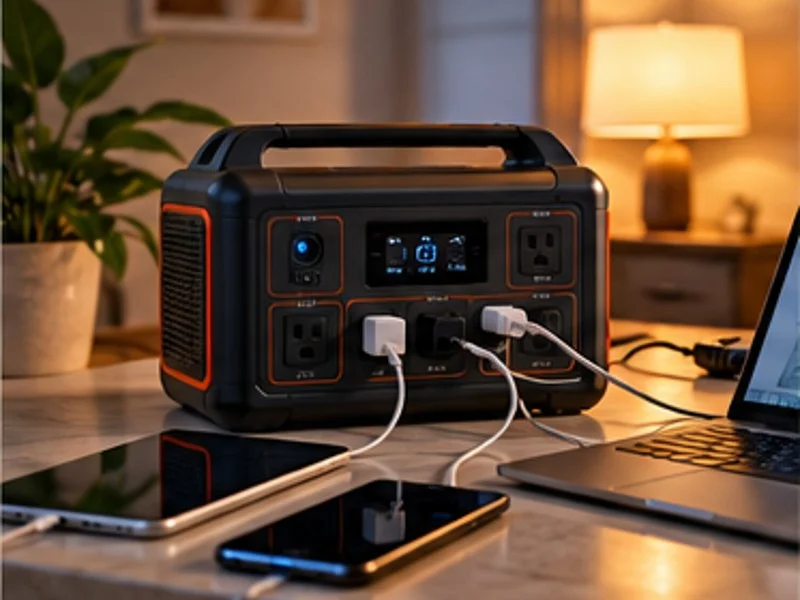
Backup electricity can make an extended power outage easier to manage. However, not every household needs an expensive generator or large battery system.
The right choice depends on which devices you need to operate, how much electricity they consume, and how long you expect to be without grid power.
Portable power banks
Portable power banks are among the simplest backup options for charging smartphones and other small USB-powered devices.
They are relatively affordable, easy to store, and useful during short outages.
Choose a power bank with adequate capacity, compatible charging ports, and appropriate safety certifications.
Recharge it regularly and follow the manufacturer’s storage recommendations.
Portable power stations
Portable power stations contain rechargeable batteries and may provide AC outlets, USB ports, and DC connections.
Depending on their capacity and power rating, they can operate certain lights, communication devices, laptops, and small appliances.
However, a portable power station may not be able to run high-demand appliances such as electric heaters, large refrigerators, or cooking equipment.
Before purchasing one, check:
- The continuous output rating in watts.
- The usable battery capacity in watt-hours.
- The starting power requirements of connected appliances.
- The expected operating time.
- Charging methods and electrical safety features.
For example, a power station with 500 watt-hours of usable energy could theoretically operate a 50-watt device for approximately 10 hours. Actual operating time may be shorter because of conversion losses and other factors.
Portable generators
Fuel-powered generators can supply electricity during prolonged outages, but they require particularly careful handling.
Never operate a fuel-powered generator inside a house, garage, basement, shed, or other enclosed or partially enclosed area.
Generators produce carbon monoxide, a poisonous gas that cannot be seen or smelled.
The CDC recommends keeping portable generators outdoors at least 20 feet from doors, windows, and vents, with exhaust directed away from buildings. Follow any stricter manufacturer or local requirements.
Never connect a generator directly to a household wall outlet. This practice, commonly called backfeeding, can endanger utility workers and damage electrical equipment.
If you want to connect a generator to household wiring, use a properly installed transfer switch or other approved equipment fitted by a qualified electrician.
Do you need a generator?
For many households, a combination of LED lighting, charged power banks, shelf-stable food, and an emergency communication plan may be sufficient for shorter outages.
A generator or larger backup battery system becomes more relevant when essential equipment requires electricity for extended periods.
Households with electrically powered medical equipment should develop an individualized emergency plan with healthcare professionals and equipment suppliers rather than relying on general backup-power estimates.
6. Protecting Food and Water During a Power Outage
Food safety becomes increasingly important when refrigerators and freezers stop operating.

Food can become unsafe even when it looks and smells normal.
How long will refrigerated food stay safe?
According to USDA and FDA guidance, an unopened refrigerator generally keeps food at a safe temperature for approximately four hours during a power outage.
A full freezer may maintain a safe temperature for approximately 48 hours, while a half-full freezer may maintain it for approximately 24 hours, provided the door remains closed.
These are general estimates, not guarantees. Actual temperatures depend on appliance performance, room temperature, how full the appliance is, and how frequently its door is opened.
| Appliance | General temperature guidance |
|---|---|
| Refrigerator | Approximately 4 hours if unopened |
| Full freezer | Approximately 48 hours if unopened |
| Half-full freezer | Approximately 24 hours if unopened |
Practical steps to protect food
Keep refrigerator and freezer doors closed as much as possible.
Use appliance thermometers to monitor temperatures where available.
If an outage is expected to last longer, consider moving perishable food to a cooler with sufficient ice or another reliably refrigerated location.
After power returns, discard perishable refrigerated food that has been above 40°F (4°C) for more than two hours. If you cannot establish that it remained at a safe temperature, take the safer approach.
Frozen food may be refrozen or cooked if it still contains ice crystals or measures 40°F (4°C) or below, subject to the applicable food safety guidance.
Never taste food to determine whether it is safe.
What about drinking water?
A power outage does not automatically mean tap water is unsafe.
However, some water systems depend on electric pumps, treatment equipment, or other infrastructure that may be disrupted.
Follow official notices from your local water utility or public health authority.
If a boil-water advisory is issued, follow its instructions. Remember that boiling does not remove chemical contaminants.
Keep an emergency supply of drinking water available before an outage occurs.
For help planning your household reserve, see our Emergency Water Storage Guide.
7. Staying Safe During Extreme Heat or Cold
Loss of heating or air conditioning can become one of the most serious consequences of an extended power outage.
The risks depend on outdoor temperatures, building insulation, ventilation, household health needs, and the length of the outage.
During hot weather
If air conditioning stops working:
- Close blinds or curtains on sun-facing windows.
- Avoid strenuous physical activity.
- Drink safe water regularly.
- Wear lightweight clothing.
- Use ventilation when outdoor conditions are cooler, and it is safe to do so.
- Monitor official heat alerts and information about cooling centers.
Fans may help with comfort in some conditions, but they cannot reliably prevent heat-related illness during extreme heat.
Watch for symptoms such as dizziness, weakness, headache, nausea, confusion, or unusually high body temperature.
Confusion, collapse, or suspected heat stroke requires emergency medical assistance.
During cold weather
If your heating system stops operating:
- Wear several layers of dry clothing.
- Use blankets and insulated bedding.
- Close unused rooms where practical.
- Reduce drafts without blocking required ventilation.
- Monitor indoor temperatures.
- Make arrangements to move somewhere warm if the home becomes unsafe.
Never use an outdoor grill, charcoal burner, camping stove, or gas oven to heat your home.
These devices can create fire hazards and potentially fatal carbon monoxide exposure.
If you have a fireplace or wood-burning stove, use it only if it is properly installed, maintained, and intended for indoor heating.
When should you leave home?
Consider relocating to a safe, powered location if indoor temperatures become dangerous, essential medical equipment cannot operate, or household members cannot remain safe.
Do not wait for conditions to become critical.
Local emergency management agencies may provide information about warming centers, cooling centers, and temporary shelters.
8. Communication During an Extended Power Outage
Reliable communication helps families receive warnings, check on relatives, and obtain assistance.
However, power outages can affect internet routers, mobile networks, and telephone services.
Prepare several communication options
Keep mobile devices charged when severe weather is forecast.
Keep at least one power bank charged.
Store a written list of important telephone numbers.
A battery-powered radio can be useful for receiving emergency broadcasts.
In the United States, NOAA Weather Radio can provide weather warnings where coverage and suitable receivers are available. In Canada, use appropriate local emergency alert services and official weather information.
Create a family check-in plan
Agree on how household members will contact one another.
Identify a meeting location if communication networks become unavailable.
Consider an out-of-area contact who can receive messages from family members.
Text messages may sometimes succeed when voice calls are difficult, although delivery is not guaranteed.
Use official emergency channels for urgent instructions, and avoid spreading unverified information.
9. What to Do Immediately When the Power Goes Out
Even a well-prepared household benefits from a simple action plan.
Step 1: Check whether the outage is widespread
Look for signs that neighboring properties have also lost electricity, if it is safe to do so.
Check your utility company’s outage reporting service when you have connectivity.
If only your home is affected, inspect your electrical panel only if you can do so safely.
Do not touch damaged wiring, wet electrical equipment, or equipment showing signs of burning or overheating.
Step 2: Switch off sensitive appliances
Turn off or unplug unnecessary electrical equipment, especially devices that could create hazards when power returns.
Keep one light switched on so you can recognize when electricity has been restored.
Step 3: Locate emergency lighting
Use your stored flashlights or battery-powered lanterns.
Avoid candles where possible.
Step 4: Preserve refrigerated food
Keep refrigerator and freezer doors closed.
Note the approximate time the outage began.
Step 5: Check household members
Make sure everyone is safe, especially people with medical, mobility, or temperature-related needs.
Step 6: Monitor official information
Check utility updates, weather alerts, and emergency management instructions.
Avoid unnecessary travel during severe weather.
Step 7: Use backup power safely
Follow the manufacturer’s instructions for batteries, power stations, and generators.
Keep fuel-powered generators outdoors and away from building openings.
10. What to Do When Electricity Returns
Restoring power does not necessarily mean every household system is immediately ready for normal use.
Take a few minutes to check important equipment.
Check electrical appliances
Reconnect unnecessary appliances gradually.
Look for signs of damage, unusual smells, overheating, or malfunction.
If electrical equipment has been exposed to floodwater, do not energize it until a qualified professional has inspected it.
Review refrigerated and frozen food
Use appliance thermometers and food safety guidance to determine which foods can be retained.
Discard unsafe perishable items.
Remember that food can contain harmful microorganisms without noticeable changes in appearance or smell.
Restore emergency supplies
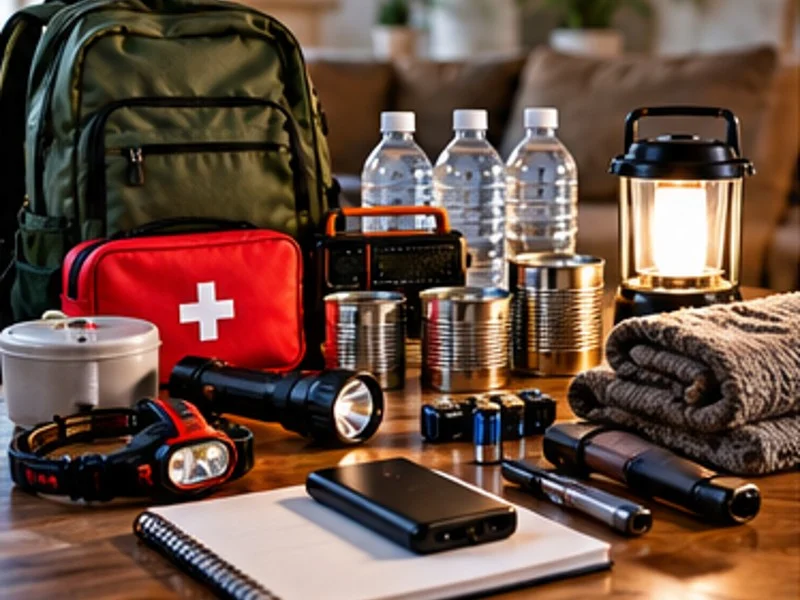
Recharge power banks and emergency lights.
Replace used batteries and other consumable supplies.
Restock drinking water and shelf-stable food where necessary.
Review your household’s response
Ask which arrangements worked well and which created difficulties.
You may have needed another flashlight, a larger power bank, or a better communication plan.
Use the experience to improve your preparations before the next outage.
11. Quick Power Outage Preparedness Checklist
This checklist can also be adapted into a printable resource or Pinterest infographic.
Household power outage checklist
POWER OUTAGE PREPAREDNESS CHECKLIST
☐ Identify essential household electricity needs
☐ Prepare a family communication plan
☐ Store flashlights, lanterns and spare batteries
☐ Charge power banks and communication devices
☐ Maintain an emergency drinking water supply
☐ Store shelf-stable food and a manual can opener
☐ Prepare essential medications and first aid supplies
☐ Check smoke and carbon monoxide alarms
☐ Plan for safe heating, cooling and possible relocation
☐ Review generator and backup power safety
☐ Keep utility and emergency contact numbers accessible
☐ Review and replenish supplies periodically
12. Frequently Asked Questions
How long should I prepare to be without electricity?
A practical starting point is to prepare for at least three days of essential needs. Depending on local hazards, household circumstances, and official guidance, you may need to prepare for longer. Canadian emergency preparedness guidance commonly recommends having supplies for at least 72 hours.
Can I use a portable generator inside my garage if the door is open?
No. Never operate a fuel-powered generator inside a garage, even with the garage door open. Carbon monoxide can accumulate and enter living spaces. Operate generators outdoors, far from doors, windows, and vents.
Will food in my refrigerator spoil during a short outage?
An unopened refrigerator generally keeps food at a safe temperature for approximately four hours. Actual safety depends on food temperature and outage conditions. Use a refrigerator thermometer when available and follow USDA or FDA food safety guidance.
What is the cheapest way to prepare for a power outage?
Start with affordable essentials: LED flashlights, spare batteries, drinking water, shelf-stable food, a manual can opener, a written emergency contact list, and a family communication plan. Add rechargeable power banks or other equipment as your budget permits.
Should I buy a generator for my home?
Not necessarily. Many households can manage shorter outages with basic supplies and small backup batteries. A generator may be worth considering for extended outages or essential electrical needs, provided it can be installed or operated safely. Assess your actual electricity requirements before purchasing one.
Conclusion: Start Small and Build a More Resilient Home
Preparing for a power outage isn’t about predicting every possible emergency or buying expensive equipment.
It is about making sure your household can meet essential needs when electricity becomes temporarily unavailable.
Start by identifying your family’s priorities. Keep reliable lighting, drinking water, shelf-stable food, and communication supplies available. Understand the risks associated with generators, unsafe heating methods, and food spoilage.
Then review your arrangements periodically and improve them as your circumstances change.
A prepared home is not necessarily one with the most equipment. It is one where the people living there know what to do when everyday services are interrupted.
For a broader approach to household readiness, explore our Complete Beginner’s Guide to Household Emergency Preparedness.