
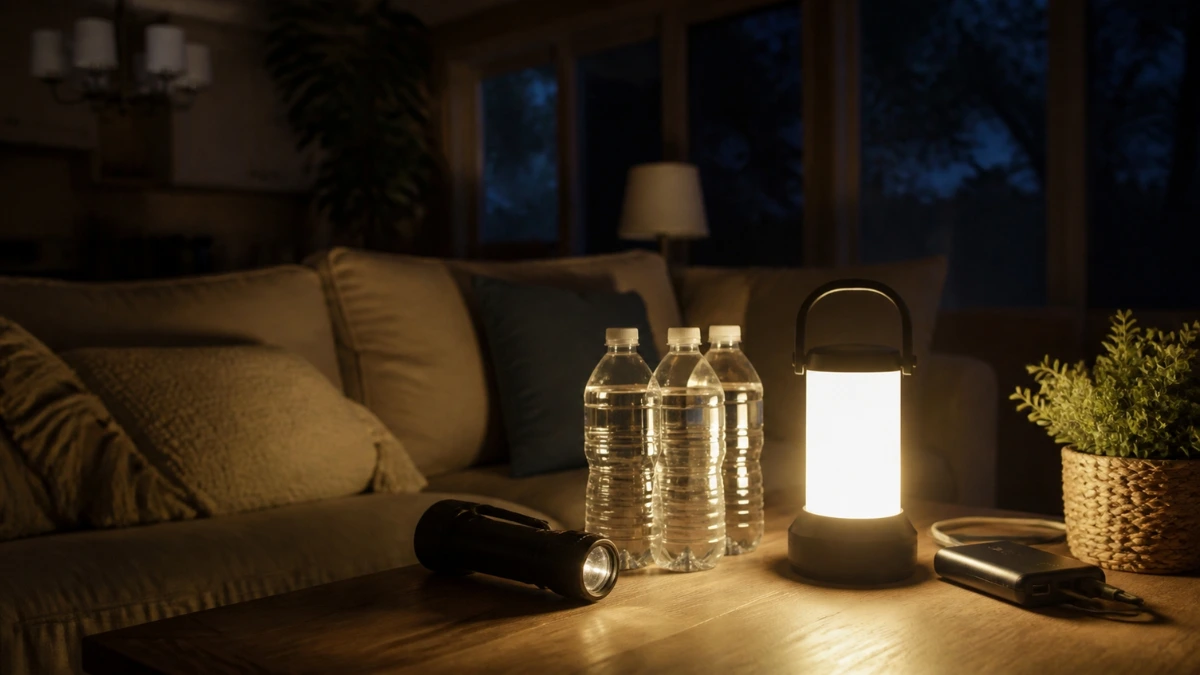
A power outage can turn an ordinary day into an unexpected challenge. Lights stop working, refrigerators begin to warm up, internet connections disappear, and essential household equipment may become unavailable.
Most short outages are inconvenient rather than dangerous. However, a prolonged loss of electricity during extreme weather can create serious problems, particularly for households with young children, older adults, or people who rely on electrically powered medical equipment.
Preparing for a power outage does not require expensive equipment or a complicated survival plan. A few affordable supplies, a reliable communication plan, and basic household safety knowledge can make a significant difference.
This guide explains how to prepare your home, protect essential supplies, choose backup power options, and keep your family safe until electricity returns.
Why Every Household Needs a Power Outage Plan
Electricity powers much more than lighting. Refrigerators, heating and cooling systems, water pumps, communication devices, security equipment, and medical appliances may all depend on it. Outages can follow storms, fallen trees, damaged lines, equipment failures, flooding, wildfires, or scheduled maintenance.
A two-hour outage may require little more than flashlights and a charged phone. A two-day winter outage may require alternative accommodation and reliable emergency information. The goal is to make your household safer and more capable during realistic disruptions.
If the outage happens in freezing weather, the risk doesn’t end with the lights, and this walkthrough on what to do when pipes freeze explains how to thaw safely and what to do if one bursts.
1. Build a Basic Power Outage Emergency Kit
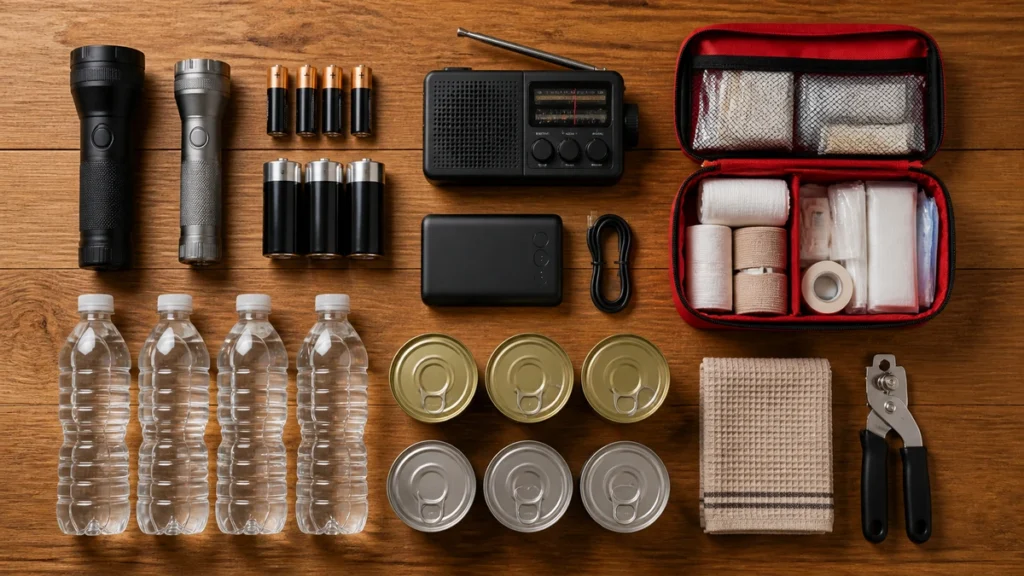
Gather supplies in one easy-to-reach location that everyone in the household knows. Many of these items may already be available at home.
| Supply | Purpose |
| LED flashlights and lanterns | Portable lighting |
| Spare batteries | Keep compatible devices operating |
| Charged power bank | Recharge phones and small devices |
| Battery or hand-crank radio | Receive updates without internet |
| Drinking water and shelf-stable food | Meet basic needs |
| Manual can opener | Open canned food |
| First-aid kit and medications | Support health needs |
| Blankets and seasonal clothing | Manage uncomfortable temperatures |
| Printed emergency contacts | Access information without devices |
Keep a flashlight near each sleeping area. If your budget is limited, start with lighting, water, a power bank, and essential medication; expand the kit gradually and check it regularly.
2. Prepare Safe Emergency Lighting
Dark hallways, stairs, and bathrooms can become hazards after sunset. Keep flashlights beside beds, a lantern in the main living area, and a headlamp for hands-free tasks. Recharge rechargeable lights regularly and store compatible spare batteries in a dry place.
Battery-powered lighting is generally safer than candles. If you use candles, never leave them unattended or near children, pets, curtains, or bedding.
3. Protect Food in Your Refrigerator and Freezer

Food may become unsafe even when it looks and smells normal. Official US food-safety guidance gives the following estimates if appliance doors remain closed:
| Appliance | Approximate period |
| Unopened refrigerator | Up to 4 hours |
| Full unopened freezer | About 48 hours |
| Half-full unopened freezer | About 24 hours |
These are planning estimates, not guarantees; actual food temperatures matter. Before a forecast outage, keep the refrigerator at 40°F (4°C) or below and the freezer at 0°F (-18°C) or below. Use appliance thermometers and freeze water containers or ice packs ahead of time.
During an outage, keep doors closed. After four hours without refrigeration, discard perishable refrigerated foods such as meat, poultry, fish, eggs, milk, and leftovers unless reliable temperature evidence shows they remained safe. Frozen food may be cooked or refrozen if it still has ice crystals or measures 40°F (4°C) or below. Never taste food to judge its safety; consult FoodSafety.gov’s detailed charts.
4. Store Enough Emergency Drinking Water
Not every outage affects tap water, but electric well pumps can stop immediately, and major emergencies may disrupt municipal service. A practical starting point is one gallon (about 3.8 liters) per person per day for drinking and basic sanitation.
| Household of four | Starting supply |
| 1 day | 4 gallons |
| 3 days | 12 gallons |
| 7 days | 28 gallons |
Store extra water for hot weather, pets, medical needs, pregnancy, and other household requirements. Use commercially bottled water or food-grade containers, store them away from heat and chemicals, and inspect supplies periodically. Follow local boil-water or do-not-drink advisories exactly.
How Much Emergency Water Should You Store at Home?
5. Consider Backup Power for Essential Devices
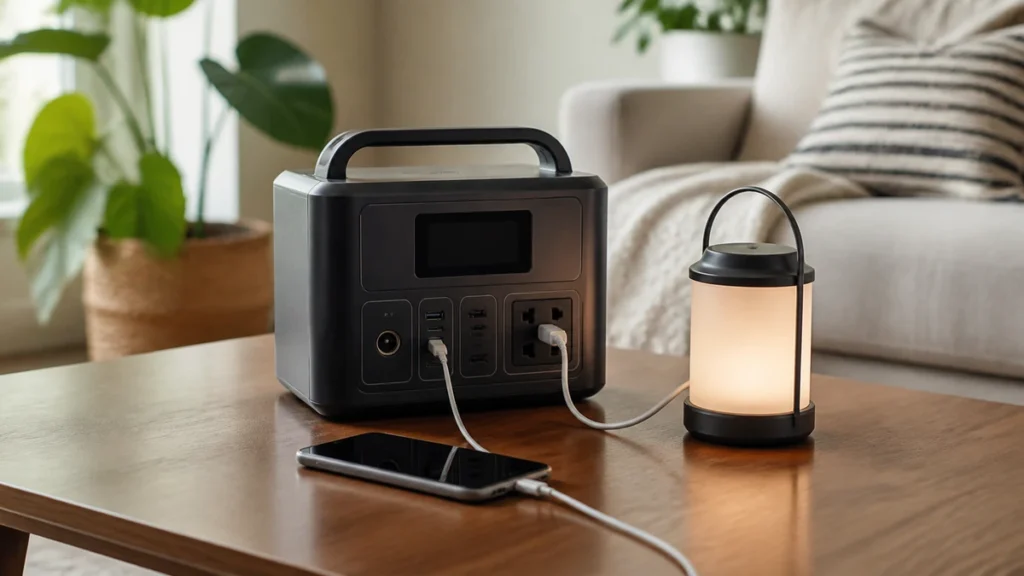
Choose backup equipment based on the devices you actually need, their power consumption, and the likely outage duration.
Power banks
A charged power bank is a practical first purchase for phones, tablets, and small USB devices. Keep it charged and check cable compatibility.
Portable power stations
Larger rechargeable battery stations may run laptops, lights, fans, and selected appliances. Check continuous wattage, startup demand, usable battery capacity, and estimated runtime. Not all units can support refrigerators or medical equipment.
Fuel-powered generators
Generators can run larger loads but need fuel, maintenance, and strict safety precautions. NEVER run a fuel-powered generator in a home, garage, basement, shed, or other enclosed or partly enclosed space. Place it outdoors at least 20 feet from doors, windows, and vents, with exhaust directed away from buildings. Use working carbon monoxide alarms with battery backup. Never connect a generator to a wall outlet; ask a qualified electrician about code-compliant transfer equipment.
| Option | Best for | Limitation |
| Power bank | Phones and small devices | Limited capacity |
| Portable power station | Electronics and selected appliances | Output and runtime limits |
| Fuel generator | Larger electrical loads | Emissions, fuel, noise, safety |
6. Prepare for Extreme Heat and Cold
During hot weather
Close sun-facing blinds and curtains; drink safe water regularly.
Wear lightweight clothing, reduce exertion, and use battery fans when helpful.
Know where local cooling centers or air-conditioned public facilities are located.
Remember that fans alone may not prevent heat illness in extreme temperatures; leave if indoor conditions become unsafe.
During cold weather
Wear layers, use blankets, and close unused rooms.
Reduce drafts without blocking necessary ventilation.
Identify heated shelters or alternative accommodation in advance.
Never use a gas oven, charcoal grill, outdoor heater, or camping stove to heat indoor rooms.
Pay extra attention to infants, older adults, and anyone with health conditions or limited mobility.
7. Create a Family Communication Plan
Write down emergency numbers, utility contact details, healthcare contacts, and a trusted out-of-area contact. Choose a nearby meeting place and an alternative location. Know how to receive official alerts if mobile service or internet access fails.
Assign simple household responsibilities: collecting supplies, assisting children, checking on vulnerable people, and monitoring updates. Households using powered medical equipment or temperature-sensitive medication need an individualized plan developed with healthcare professionals, suppliers, and utility providers. A typical consumer power bank is not adequate for medical devices.
Include food, water, medication, and pet transport arrangements.
8. What to Do Immediately When the Power Goes Out
Check whether nearby buildings are also affected; inspect your electrical panel only if safe.
Report the outage through your utility’s official channel and follow emergency instructions.
Unplug or turn off sensitive devices where appropriate; leave one light on to signal restoration.
Use power-saving settings on phones and conserve battery life.
Keep refrigerator and freezer doors closed.
Stay away from damaged wiring, flooded electrical equipment, and downed power lines.
9. What to Do When Power Returns
Check for damaged equipment, unusual smells, or other electrical hazards.
Reconnect appliances carefully, following utility instructions.
Assess refrigerated and frozen foods using thermometer readings and official food-safety charts.
Recharge batteries, flashlights, and power stations.
Replace supplies and review lessons learned.
Do not operate electrical equipment exposed to floodwater until a qualified professional has inspected it.
10. Power Outage Preparedness Checklist
Before an outage
☐ Keep flashlights and lanterns accessible
☐ Store spare batteries and charge power banks
☐ Maintain drinking water and nonperishable food
☐ Keep a manual can opener and essential medications
☐ Test smoke and carbon monoxide alarms
☐ Print emergency contact numbers
☐ Identify cooling or warming locations
☐ Plan for powered medical equipment
During an outage
☐ Confirm and report the outage
☐ Use battery lighting
☐ Keep refrigerator and freezer closed
☐ Conserve phone battery
☐ Monitor indoor temperature and official updates
☐ Check on vulnerable household members when safe
After an outage
☐ Evaluate food safety
☐ Check electrical hazards
☐ Recharge emergency devices
☐ Replace used supplies
☐ Update the family plan
Before the generator comes out of the shed, read the rules on portable generator safety, because carbon monoxide and backfeeding cause more outage deaths than the storm itself.
Frequently Asked Questions
How do I prepare on a budget?
Start with flashlights, batteries, safe drinking water, shelf-stable food, and a charged power bank. Expand supplies gradually.
How long does refrigerated food last?
An unopened refrigerator generally keeps food safe for up to four hours. A full freezer may maintain safe temperatures for about 48 hours, or 24 hours if half full. Actual temperatures matter.
Do I need a generator?
Not necessarily. Many short outages can be managed with stored supplies and battery-powered devices. Larger or essential loads may justify backup power.
Can I use a camping stove indoors?
No. Outdoor camping stoves and charcoal grills pose serious carbon monoxide and fire hazards indoors.
How much water should I store?
Start with one gallon per person per day and at least a three-day supply; adjust for your household’s needs.
What is the first priority?
Identify essential household needs and make a simple plan covering lighting, water, communication, medication, and safe temperatures.
Final Thoughts: Start With Simple, Practical Preparations
A resilient home is not one that never experiences disruption. It is one where people have the knowledge, supplies, and confidence to respond safely when everyday services are interrupted. Begin with lighting, water, food, communication, and a household plan; improve the system gradually and review it regularly.